
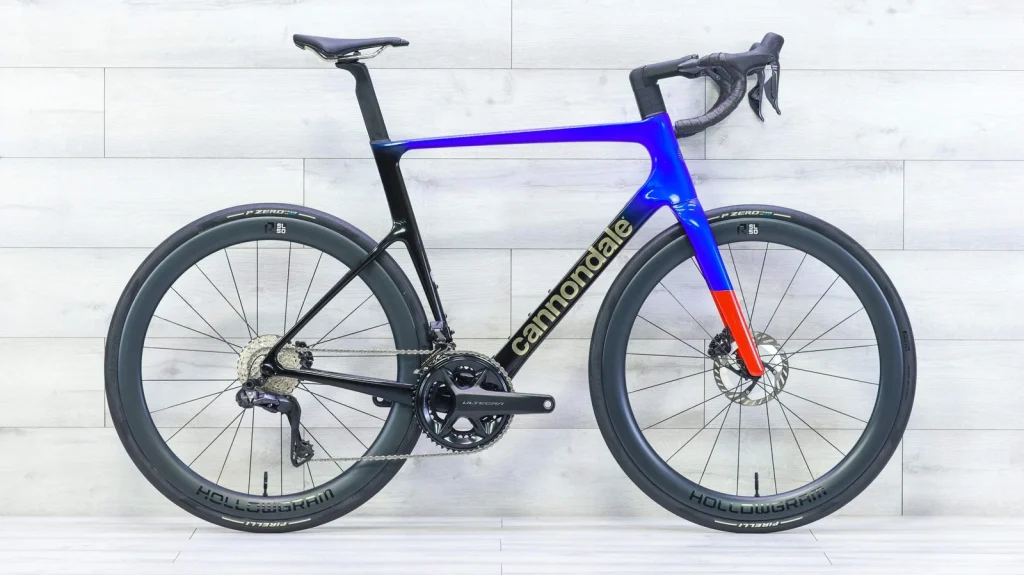
Road racing bikes are engineered for speed, agility, and efficiency, making them ideal for disciplines like road racing, criteriums (crits), and time trials. New road racing bikes can cost $2,000-$10,000, but a used bike offers significant savings while delivering performance for beginners, amateurs, and experienced racers.
Why Choose a Used Road Racing Bike?
A used road racing bike provides access to lightweight frames, responsive handling, and race-ready components at a fraction of the cost. Beginners can enter the sport affordably, amateurs can upgrade to competitive setups for events like the Mid-America Time Trial Series (MATTS), and seasoned racers can find high-end models for podium-chasing. However, buying used requires careful evaluation to ensure quality, fit, and suitability for varied disciplines. Below, we outline key considerations, budgeting tips, and reliable sources to find a used road racing bike that excels in road races, crits, and time trials.
Key Considerations When Buying a Used Road Racing Bike
To find a good quality used road racing bike, evaluate these factors to match your skill level, racing goals, and the specific demands of events like the L’Alpe Bl’Huez Time Trial (10.02 miles, 1,189 feet elevation gain).
1. Frame Material and Condition
- What to Look For: Road racing bikes typically use carbon fiber or aluminum frames. Carbon (e.g., Trek Madone, Specialized Tarmac) offers lightweight (14–18 lbs), stiffness, and vibration damping, ideal for long road races and climbs like Blue Mounds’ 12.1% gradients. Aluminum (e.g., Cannondale CAAD13) is more affordable, durable, but slightly heavier, suitable for crits and entry-level racing. Inspect for cracks, dents, or scratches, especially on carbon frames, as micro-damage can compromise safety. Check frame alignment and ask about crash history, as race bikes endure high stress.
- Skill Level Insight:
- Beginners: Aluminum frames (e.g., Giant Contend AR, ~$500–$1,000 used) are budget-friendly and forgiving for learning crit cornering or TT pacing.
- Amateurs: Mid-tier carbon frames (e.g., Cannondale SuperSix Evo, ~$1,200–$2,500) balance weight and performance for MATTS events or road races.
- Experienced Racers: High-end carbon frames (e.g., Specialized S-Works Tarmac, ~$2,500–$4,500) maximize speed and climbing efficiency for competitive TTs and crits.
- Tip: Request close-up photos of high-stress areas (e.g., bottom bracket, head tube) and maintenance records. Avoid bikes with crash damage, especially for carbon.
2. Bike Fit and Geometry
- What to Look For: Road racing bikes have aggressive geometry (low handlebars, longer reach) for aerodynamics and power transfer, critical for crits and time trials like Blue Mounds’ 7-mile flat/descent section. Ensure the frame size matches your height (e.g., 50-52cm for 5’4”–5’7”, 54-56cm for 5’8”–6’0”). Adjustable stems and saddles allow fit tweaks. Shorter cranks (165mm, per your interest) suit smaller riders or high-cadence racers (85-95 RPM, per the Blue Mounds recap), improving spin efficiency on climbs like BM To the Top (0.14 mi, 12.1%). Clip-on aero bars can adapt the bike for time trials.
- Skill Level Insight:
- Beginners: Prioritize bikes with adjustable stems and saddles (e.g., Trek Domane AL, ~$600-$1,000) to ease into aggressive positions for crits.
- Amateurs: Look for bikes with customizable fit (e.g., Giant TCR Advanced, ~$1,500-$2,500) to optimize for road races and TTs.
- Experienced Racers: Seek bikes with race-specific geometry (e.g., Cervélo R5, ~$3,000-$4,500) and 165mm cranks for high-cadence efforts in crits and climbs.
- Tip: Test-ride or consult a bike fitter ($100-$200) to confirm saddle height, reach, and crank length suit your body and disciplines. Adjust saddle ~5mm higher for 165mm cranks.
3. Components and Drivetrain
- What to Look For: Focus on the groupset (e.g., Shimano 105, Ultegra, Dura-Ace), brakes, and wheels. A mid-tier groupset like Shimano Ultegra (as in the Blue Mounds Merckx San Remo 76 setup) with a 50/34T compact crankset and 11–32T cassette is versatile for road racing’s climbs, crits’ sprints, and TTs’ mixed terrain (7 miles flat/descent, 3 miles climbing). Check for worn chains, cassettes, or chainrings ($50–$200 to replace). Lightweight wheels (e.g., 25-40mm depth) balance climbing and aero needs, while deep-section wheels (40–50mm) favor crits and TT flats. Ensure compatibility with tubeless or clincher tires with latex inner tubes (per your interest).
- Skill Level Insight:
- Beginners: Shimano 105 or SRAM Rival (~$500-$1,200) offer reliable shifting for crits and entry-level road races.
- Amateurs: Ultegra or SRAM Force (~$1,200-$2,500) provide smooth performance for competitive road races and TTs like Blue Mounds.
- Experienced Racers: Dura-Ace Di2 or SRAM Red eTap (~$2,500-$4,500) ensure precision for crit sprints and TT pacing.
- Tip: Verify the derailleur (medium cage for 11–32T, per Blue Mounds’ recommendation) handles climbing gears. Check brake pad wear and chain condition (replace if stretched >0.5%).
4. Tires and Versatility
- What to Look For: Road racing bikes typically use 25-28mm tires. Tubeless tires (70-75 PSI for 28mm, 75–80 PSI for 25mm for an 80kg rider, per your tire pressure questions and the SILCA calculator) reduce rolling resistance and puncture risk, ideal for Blue Mounds’ smooth flats and rougher 9-12.1% climbs. Clinchers with latex inner tubes (per your interest in inner tubes) are lighter than butyl but risk pinch flats on steep gradients. Check tire wear and sidewall condition. Bikes with tubeless-ready wheels or clearance for 28mm tires enhance versatility for crits (grip in corners) and TTs (aero efficiency).
- Skill Level Insight:
- Beginners: Clincher tires (e.g., Continental Grand Prix 5000, 25mm) are low-maintenance for learning crit cornering or TT pacing.
- Amateurs: Tubeless tires (e.g., Schwalbe Pro One, 28mm) balance grip and speed for road races and TTs like Blue Mounds.
- Experienced Racers: Tubular tires (e.g., Continental Force Comp, 24mm, as in the Blue Mounds setup) maximize performance but require gluing expertise.
- Tip: Lower tire pressure by 5 PSI in wet conditions (common in June) for traction on Blue Mounds’ climbs. Ensure wheels support tubeless or latex tube setups.
5. Condition and Maintenance History
- What to Look For: A well-maintained road bike lasts years, but race use can cause wear. Ask for service records, crash history, and component replacement frequency (e.g., chain every 2,000 miles). Check for rust, worn bearings, or loose headsets. Test shifting and braking for smoothness, especially for crits’ rapid gear changes and TTs’ consistent pacing. Indoor-stored bikes are less prone to corrosion.
- Skill Level Insight:
- Beginners: Seek bikes with recent tune-ups to avoid immediate repair costs ($100-$200).
- Amateurs: Look for documented maintenance (e.g., cables replaced annually) for reliability in MATTS or crits.
- Experienced Racers: Prioritize bikes with upgrades (e.g., ceramic bearings, power meters) but verify maintenance to avoid hidden issues.
- Tip: Have a mechanic inspect the bike ($50-$100) pre-purchase, especially for carbon frames, to confirm integrity and component health.
Budgeting for a Used Road Racing Bike

Setting a realistic budget depends on your skill level, racing goals, and the bike’s condition. Below are price ranges and expectations, tailored for road racing, crits, and time trials like L’Alpe Bl’Huez.
- Beginners ($500–$1,200):
- What You Get: Entry-level aluminum bikes (e.g., Giant Contend AR 3, Trek Domane AL 2, Cannondale CAAD Optimo 4, per your Illinois TT Championship interest) with Shimano 105/SRAM Rival, 50/34T cranks, and 11-28/30T cassettes. These suit crits, entry-level road races, or TTs with clip-on aero bars.
- Example: A 2019 Giant Contend AR 3 (~$700) with clincher wheels, latex inner tubes, and 165mm cranks for high-cadence beginners.
- Considerations: Budget for minor upgrades (e.g., 11-32T cassette, $80; tires, $50-$100) and a bike fit ($100).
- Amateurs ($1,200-$2,500):
- What You Get: Mid-tier carbon bikes (e.g., Cannondale SuperSix Evo, Trek Emonda SL, Giant TCR Advanced) with Ultegra/Force, 50/34T, 11-32T, and tubeless-ready wheels. Ideal for competitive road races, crits, and TTs like Blue Mounds.
- Example: A 2020 Cannondale SuperSix Evo (~$1,800) with Ultegra Di2, tubeless 25mm tires, and 165mm cranks for versatile performance.
- Considerations: Allocate $100–$200 for a bike fit and $50–$150 for component replacements (e.g., chain, tires).
- Experienced Racers ($2,500-$4,500):
- What You Get: High-end carbon bikes (e.g., Specialized S-Works Tarmac, Cervélo R5, Trek Madone SLR) with Dura-Ace Di2/SRAM Red eTap, 50/34T, 11-32T, and 40-50mm wheels. Suited for crit podiums, road race breakaways, and elite TTs.
- Example: A 2021 Specialized Tarmac SL7 (~$3,500) with Dura-Ace Di2, tubeless 28mm tires, and clip-on aero bars for Blue Mounds.
- Considerations: Budget $200-$300 for a professional fit and $100-$300 for upgrades (e.g., power meter, new cables).
- Additional Costs:
- Repairs/Upgrades: $100-$500 for worn parts (e.g., chain, $50; tubeless tires, $100; cassette, $80).
- Bike Fit: $100-$300 to optimize for crits, road races, and TTs.
- Accessories: Vented helmet ($100–$300, per Blue Mounds’ hot weather warning), clip-on aero bars ($50-$200), pedals ($50–$200), power meter ($300-$800).
- Event Fees: $30 for L’Alpe Bl’Huez registration, $5 for ABR daily membership, $5 for Blue Mound State Park pass (per event narrative).
- Tip: Reserve 10–20% of your budget for post-purchase tweaks. A $2,000 bike may need $200–$400 for maintenance or upgrades.
Where to Shop for a Used Road Racing Bike

Finding a quality used road racing bike requires exploring reliable sources that offer variety, authenticity, and value. Below are the best places to shop, tailored for the L’Alpe Bl’Huez Time Trial’s demands and your interests in tubeless tires, latex inner tubes, and 165mm cranks.
1. Online Marketplaces
- Platforms: eBay, Pinkbike, The Pro’s Closet, Facebook Marketplace, Craigslist.
- Pros: Vast selection of used road bikes across brands (e.g., Specialized Tarmac, Trek Emonda), price points ($500–$4,500), and specs (e.g., 50/34T, 11–32T). The Pro’s Closet offers certified pre-owned bikes with 30-day returns and mechanic inspections, ideal for beginners or amateurs seeking reliability for MATTS events. eBay and Pinkbike allow filtering for “Trek Madone 54cm” or “Ultegra road bike 11–32T,” matching Blue Mounds’ gearing needs. Facebook Marketplace and Craigslist enable local deals near Blue Mounds, WI, avoiding shipping costs ($50–$150).
- Cons: Risk of scams, hidden frame damage (especially carbon), or misrepresented conditions on eBay or Craigslist. Local listings may lack race-specific bikes. Shipping can delay delivery.
- Tips:
- Search keywords like “used road racing bike Wisconsin,” “Cannondale SuperSix 50/34T,” or “carbon road bike for crits” to find bikes with climbing cassettes (11–32T, per the course recap).
- Request high-resolution photos of frame joints (e.g., bottom bracket, head tube) and maintenance/crash history to ensure quality.
- Prioritize bikes with tubeless-ready wheels and 25–28mm tires (70–75 PSI for 28mm, per your tire pressure interest) for grip on 9–12.1% climbs and speed on flats.
- Look for 165mm cranks for high-cadence racers (85–95 RPM, per your interest) and clip-on aero bar compatibility for time trials.
- Check Madison-area Facebook groups or Craigslist for deals from MadCity Velo Club members, given their role in the L’Alpe Bl’Huez event.
- Negotiate 10–15% off, citing potential upgrades (e.g., chain, $50; tubeless tires, $100).
2. Local Bike Shops (LBS)
- Pros: Shops like Trek Bicycle Madison West, Budget Bicycle Center, or Machinery Row Bicycles in Madison (20 miles from Blue Mounds) sell refurbished or consignment road bikes, inspected by mechanics for reliability. Test rides ensure fit for crit cornering, road race climbing, and TT aero positions. Shops may offer trade-in programs or discounts on accessories like vented helmets, crucial for hot June races (25–30°C, per the event narrative). Local expertise can guide you toward bikes with 50/34T cranks and 11–32T cassettes, as recommended for Blue Mounds.
- Cons: Smaller inventory than online platforms, with fewer high-end race bikes. Prices may be 10–20% higher due to shop overhead.
- Tips:
- Visit Madison-area shops and ask for used Trek Madone, Specialized Tarmac, or Cannondale SuperSix models, popular for road racing and adaptable for TTs with clip-on aero bars.
- Inquire about ex-demo bikes from shop events or rentals, often featuring Shimano 105/Ultegra and tubeless-ready wheels.
- Request a bike fit ($50–$100) to confirm frame size (52–56cm) and crank length (165mm, per your interest) for high-cadence climbing and crit sprints.
- Check for shop ties to MadCity Velo Club or Horribly Hilly Hundreds for leads on race-ready bikes from local racers.
- Look for bikes with latex inner tubes in clincher setups (per your inner tube interest) to reduce weight for the 3-mile climb.
3. Cycling Forums and Local Communities
- Platforms: RoadBikeReview, Reddit (r/Velo, r/cycling), and Slowtwitch (for TT crossover).
- Pros: Connect with racers selling well-maintained road bikes with race-specific upgrades (e.g., 11–32T cassettes, Ultegra Di2). MadCity Velo Club’s role in the L’Alpe Bl’Huez event makes it a hub for Wisconsin cyclists, increasing chances of finding bikes tailored for MATTS, crits, or road races. Forum sellers provide detailed histories (e.g., “used for one crit season, no crashes”), and local deals allow in-person inspections near Blue Mounds.
- Cons: Smaller selection than marketplaces, and responses may be slow. Non-local deals require shipping ($50–$150).
- Tips:
- Post on r/Velo or RoadBikeReview: “Seeking used road bike, $1,500–$2,500, 54cm, for crits and Blue Mounds TT, prefer tubeless and 165mm cranks.”
- Join MadCity Velo Club’s email list or social media (e.g., Facebook) for local listings from racers upgrading before the race.
- Ask about clip-on aero bar compatibility for TTs and tire setups (tubeless at 70-75 PSI for 28mm or latex tubes, per your interests).
- Verify upgrades like 165mm cranks for high-cadence efforts (85–95 RPM on 9-12.1% climbs) and maintenance records.
- Check bike ownership via Bike Index to avoid stolen high-end models like Cervélo R5.
4. Bike Swap Meets and Regional Events
- Pros: Midwest bike swaps (e.g., Madison Bike Swap, Chicago Velo Swap) allow hands-on inspection and negotiation, often featuring race-ready road bikes from cyclists preparing for the racing season. Events tied to MATTS or Horribly Hilly Hundreds attract Wisconsin racers, offering bikes with 50/34T cranks, 11–32T cassettes, and tubeless tires for Blue Mounds’ mixed terrain. You can test frame sizes and gearing for crits, road races, and TTs.
- Cons: Swaps are seasonal (January-April), requiring travel (20–100 miles from Blue Mounds). High-demand bikes sell quickly.
- Tips:
- Monitor BikeReg or Wisconsin Cycling Association for swap schedules, targeting spring events to prepare for the race.
- Look for carbon bikes (e.g., Giant TCR, Trek Emonda) with 30-50mm wheels for crits/TTs and wide cassettes for climbing.
- Test-ride to assess handling for crit cornering and TT aero positions, and confirm crank length (165mm, per your interest).
- Ask about tire setups (tubeless vs. clincher with latex tubes, per your interest) and recent maintenance (e.g., chain replaced within 2,000 miles).
- Network with sellers for leads on MadCity Velo Club members selling race bikes.
5. Secondhand Retailers and Rental Programs
- Platforms: BikeExchange, TPC (The Pro’s Closet), and rental programs at shops like Machinery Row Bicycles in Madison or online retailers like Triathlon Lab.
- Pros: Certified pre-owned bikes with warranties (e.g., TPC’s 30-day guarantee) and detailed condition reports reduce risk for beginners and amateurs. Ex-demo bikes from rentals are lightly used, often featuring Ultegra, tubeless-ready wheels, and 50/34T cranks, ideal for Blue Mounds’ 7-mile flat/descent and 3-mile climb. BikeExchange aggregates listings from Wisconsin shops, increasing local options.
- Cons: Prices are 10–20% higher than private sales due to inspections and warranties. Ex-demo inventory is limited, and shipping may apply ($50–$150).
- Tips:
- On TPC, filter for “road bike used” or “Trek Madone 50/34T” with 11–32T cassettes for Blue Mounds’ climbs (e.g., BM To the Top, 12.1%).
- Contact Madison-area rental shops for ex-demo bikes, as the L’Alpe Bl’Huez’s proximity attracts racers needing versatile setups.
- Look for tubeless 25–28mm tires (70–75 PSI for 28mm, per your tire pressure interest) and 165mm cranks for high-cadence climbing.
- Compare BikeExchange listings to local shops to find deals within 50 miles of Blue Mounds, minimizing shipping costs.
Additional Tips for Success
- Timing: Shop in late winter/early spring (February through April) when cyclists sell last season’s bikes, increasing inventory before the race season starts.
- Local Advantage: Leverage Blue Mounds’ cycling community, tied to MadCity Velo Club and Horribly Hilly Hundreds, for insider deals. Visit event parking at Blue Mound State Park (4350 Mounds Park Rd.) during training rides to network with racers selling bikes.
- Verification: Request proof of purchase or serial numbers to check against Bike Index for stolen bikes. Test shifting, braking, and frame alignment.
- Event-Specific Needs: Prioritize bikes with 50/34T cranks, 11–32T cassettes, and tubeless tires (per the L’Alpe Bl’Huez recap) for the 7-mile flat/descent and 3-mile climb. 165mm cranks enhance high-cadence efforts (85–95 RPM) on 9–12.1% gradients.
- Budget Buffer: Allocate $100–$300 for post-purchase tweaks (e.g., bike fit, new tires, chain), especially for tubeless setups or latex inner tubes.
Sample Used Road Racing Bike Recommendations
Based on the L’Alpe Bl’Huez Time Trial’s demands and versatility for road racing, crits, and TTs:
- Beginner: 2019 Giant Contend AR 3 ($600–$900) – Aluminum frame, Shimano 105, 50/34T, 11–30T, clincher wheels with latex tubes. Add clip-on aero bars ($50) and 11–32T cassette ($80).
- Amateur: 2020 Cannondale SuperSix Evo ($1,500–$2,200) – Carbon frame, Ultegra Di2, 50/34T, 11–32T, tubeless 25mm tires, 165mm cranks.
- Experienced: 2021 Specialized Tarmac SL7 ($3,000–$4,000) – Carbon frame, Dura-Ace Di2, 50/34T, 11–32T, 40mm wheels, tubeless 28mm tires.
Final Thoughts
A used road racing bike is an excellent investment for riders of all skill levels. It offers performance for road racing, crits, and time trials at a fraction of the cost of a new bike . Beginners can find reliable aluminum bikes for $500–$1,200, amateurs can target mid-tier carbon models for $1,200–$2,500, and experienced racers can secure high-end setups for $2,500–$4,500. Focus on frame condition, fit, components, and tires (tubeless or clincher with latex tubes, per your interest). Ensure compatibility with 50/34T cranks, 11–32T cassettes, and 165mm cranks for Blue Mounds’ mixed terrain. Explore online marketplaces, local shops, cycling communities, swap meets, and secondhand retailers, and budget for repairs or a bike fit. With these steps, you’ll be ready to race the Blue Mounds course, and excel in the MATTS categories.